
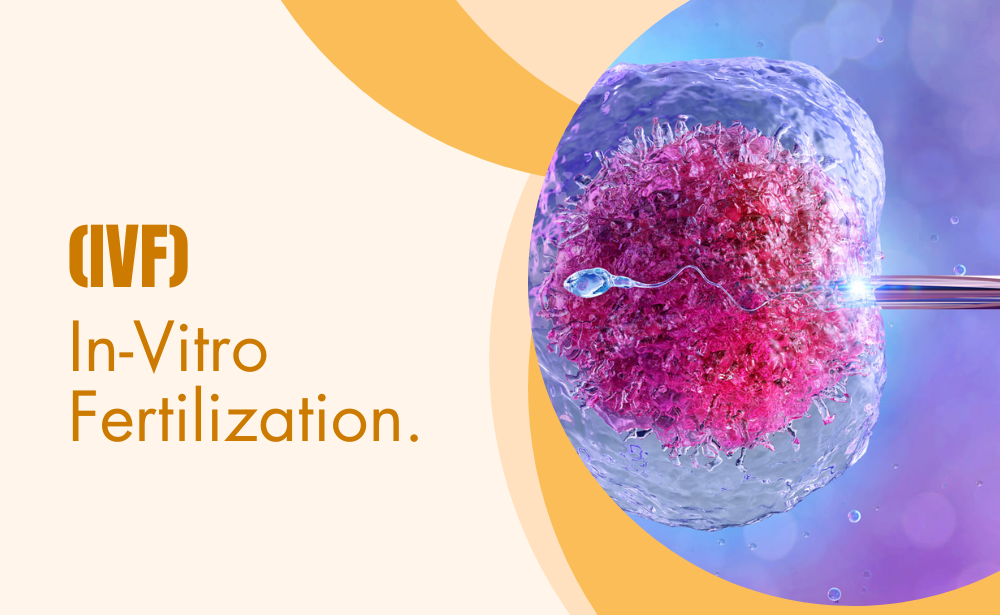
IVF (In Vitro Fertilization)
IVF is one of the most advanced, reliable, and widely used fertility treatments available today. It is designed to help couples conceive when natural methods or simpler treatments have not been successful. In IVF, fertilization occurs outside the body in a controlled laboratory environment, where an egg is combined with sperm to create an embryo. This embryo is then carefully transferred into the uterus, where it can implant and develop into a healthy pregnancy.
IVF has revolutionized reproductive medicine and offers hope to individuals and couples facing a wide range of fertility challenges, including complex and long-standing issues.
🔬 Detailed IVF Process
The IVF journey involves multiple carefully coordinated steps to maximize success:
1. Ovarian Stimulation
Fertility medications are administered to stimulate the ovaries to produce multiple eggs instead of the single egg typically released in a natural cycle. This increases the chances of successful fertilization.
2. Monitoring Follicle Development
Regular ultrasounds and blood tests are conducted to track the growth and maturity of follicles (which contain eggs). This helps determine the optimal timing for egg retrieval.
3. Ovum Pickup (Egg Retrieval)
Once the eggs are mature, they are retrieved from the ovaries using a minimally invasive procedure performed under mild sedation. A thin needle guided by ultrasound is used to collect the eggs.
4. Fertilization in the Laboratory
The retrieved eggs are combined with sperm in a specialized lab. Fertilization may occur naturally or through advanced techniques like ICSI (Intracytoplasmic Sperm Injection), where a single sperm is injected directly into the egg.
5. Embryo Development
Fertilized eggs (embryos) are cultured in the lab for several days. Embryologists closely monitor their growth and quality to select the best embryos for transfer.
6. Embryo Transfer
A healthy embryo is gently transferred into the uterus using a thin catheter. This is a simple, painless procedure that does not require anesthesia. Any additional high-quality embryos can be frozen for future use.
🌸 Who Should Consider IVF? (Indications)
IVF is recommended for individuals or couples facing:
• Blocked or damaged fallopian tubes
• Severe male factor infertility (low sperm count, poor motility, or abnormal morphology)
• Multiple failed IUI cycles
• Advanced maternal age or reduced ovarian reserve
• Endometriosis or other reproductive disorders
• Unexplained infertility where other treatments have not worked
• Genetic concerns (with the option of embryo screening)
🌟 Benefits of IVF
IVF offers several significant advantages, especially in complex fertility cases:
• Higher success rates compared to simpler fertility treatments
• Controlled and closely monitored process for better outcomes
• Ability to select high-quality embryos
• Option for fertility preservation through embryo freezing
• Can overcome multiple types of infertility challenges
• Enables use of donor eggs or sperm if required
📈 Success & Considerations
The success of IVF depends on factors such as age, overall health, egg and sperm quality, and underlying fertility conditions. While IVF offers higher success rates, it may require more than one cycle to achieve pregnancy. Advances in technology have significantly improved outcomes, making IVF a preferred choice for many couples worldwide.
Emotional and physical readiness is also important, as the process can be demanding. Proper counseling and support play a key role in the journey.
👩⚕️ Expert Care You Can Trust
Dr. Abhilasha Mehta provides comprehensive guidance throughout every stage of the IVF process—from initial consultation to post-transfer care. With a focus on precision, advanced techniques, and personalized treatment plans, she ensures that each patient receives the best possible care.
Beyond medical expertise, she also offers emotional support and clear communication, helping patients feel confident, informed, and supported throughout their fertility journey.
