
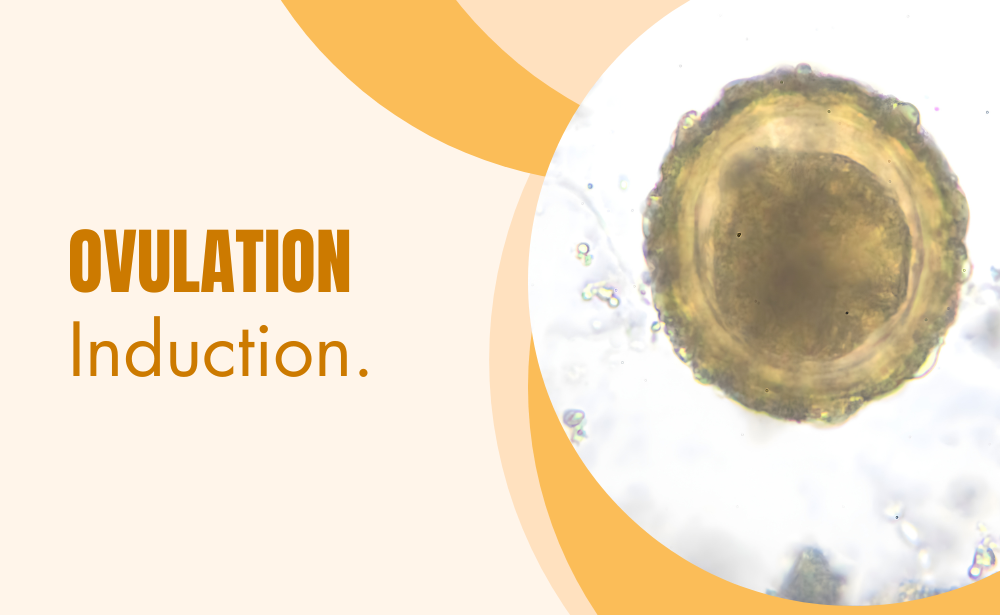
Ovulation Induction
Ovulation induction is a widely used and effective fertility treatment designed to assist women who do not ovulate regularly—or do not ovulate at all—in achieving pregnancy. In a typical natural menstrual cycle, the ovaries release one mature egg each month in a process known as ovulation. However, for some women, this process may be irregular, infrequent, or completely absent due to hormonal imbalances or underlying medical conditions. When ovulation does not occur consistently, the chances of natural conception are significantly reduced.
Ovulation induction addresses this challenge by using carefully prescribed medications to stimulate the ovaries. These medications help promote the growth and maturation of ovarian follicles, which contain the eggs, and encourage the timely release of one or more eggs. By restoring or regulating ovulation, this treatment greatly enhances the likelihood of conception, either naturally or with assisted reproductive techniques.
This treatment is particularly beneficial for women diagnosed with conditions such as Polycystic Ovary Syndrome, where hormonal imbalances can disrupt the normal ovulation cycle. It is also commonly recommended for individuals experiencing unexplained infertility, irregular menstrual cycles, or hormonal disruptions that interfere with egg development and release. In many cases, ovulation induction serves as a first step before considering more advanced fertility treatments.
🌼 How It Works
Ovulation induction typically involves the use of oral medications (such as clomiphene citrate or letrozole) or injectable hormones (gonadotropins) that stimulate the ovaries. These medications encourage the development of follicles within the ovaries. As treatment progresses, one or more follicles mature, increasing the chances that a healthy egg will be released during ovulation.
Throughout the treatment cycle, fertility specialists closely monitor the patient’s response using ultrasound scans to measure follicle size and growth. Blood tests may also be conducted to evaluate hormone levels and ensure the body is responding appropriately. This monitoring is essential for determining the optimal timing of ovulation, which is the most fertile window for conception.
Once the follicles reach the desired size, a “trigger shot” (usually containing hCG hormone) may be administered to induce ovulation at a precise time. This allows for better planning of intercourse or coordination with procedures like intrauterine insemination (IUI), further improving success rates.
🌟 Benefits
• Significantly increases the chances of natural conception by restoring or regulating ovulation
• Acts as a first-line, minimally invasive fertility treatment option
• Can be customized based on individual hormonal profiles and medical history
• Often combined with assisted techniques like IUI to improve outcomes
• Provides a structured, closely monitored approach to fertility care
• Helps identify how the ovaries respond to stimulation, guiding future treatment plans
• More affordable and less complex compared to advanced options like IVF
🛡️ Safety and Monitoring
Ovulation induction is generally considered safe when performed under the supervision of a qualified fertility specialist. Careful monitoring plays a critical role in minimizing risks and maximizing effectiveness. Doctors track follicular development and hormone levels throughout the cycle to ensure that the ovaries are responding appropriately to the medication.
One of the primary concerns with ovulation induction is the possibility of multiple pregnancies (such as twins or triplets), which can occur if more than one egg is released. Another potential risk is ovarian hyperstimulation, where the ovaries become overly responsive to medication. However, with personalized dosing, regular ultrasounds, and timely adjustments, these risks can be effectively managed and minimized.
Patients are also guided on lifestyle factors, timing of intercourse, and follow-up care to ensure the best possible outcomes. Open communication with healthcare providers throughout the process is essential for both safety and success.
🌱 A Path Toward Parenthood
With proper medical guidance, ovulation induction offers a hopeful, accessible, and effective pathway for many couples trying to conceive. By restoring the natural rhythm of ovulation and supporting healthy egg development, this treatment helps re-establish reproductive balance.
For many individuals, ovulation induction not only improves the chances of pregnancy but also provides clarity, direction, and confidence in their fertility journey. It represents an important step forward—often turning uncertainty into possibility and hope into reality.
